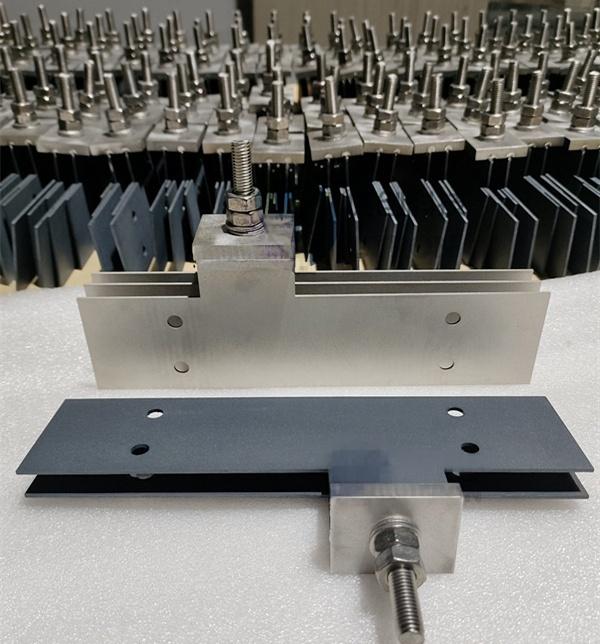
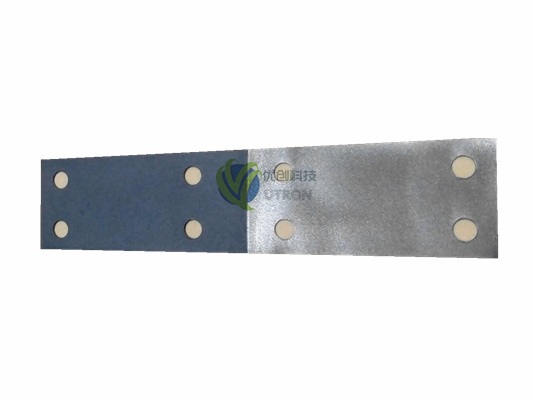
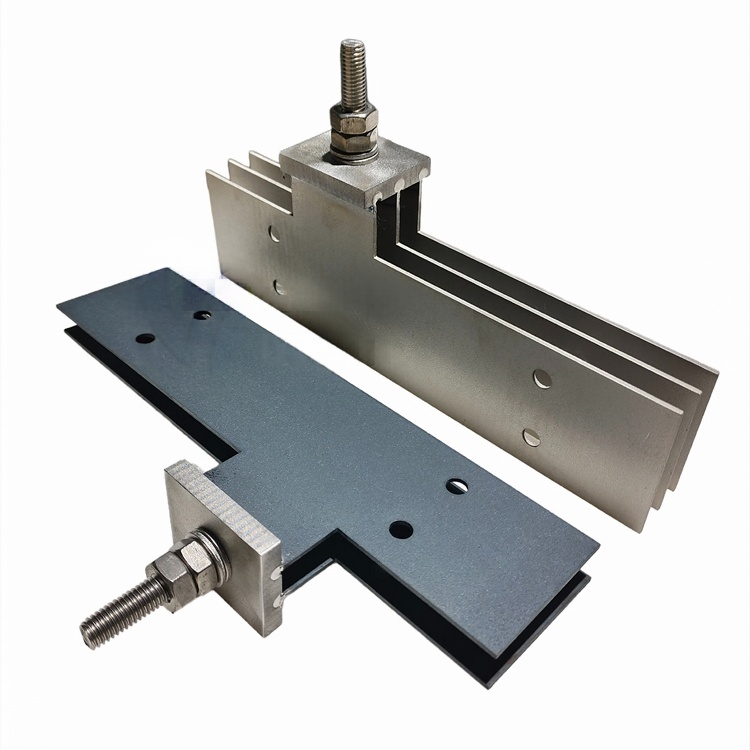
The salt cell in a salt chlorinator is the part that actually converts Salt (NaCl) to Chlorine, which consists of a plastic housing and the electrodes. TheTitanium electrode sheet for salt chlorine generator usually constructed from the highly corrosion resistant material titanium, and the anode is coated with ruthenium oxide or iridium generally. The composition of this coating plays a major role in both the chlorine producing efficiency of the cell and its life expectancy.
Parameter of the Titanium electrode sheet for salt chlorine generator :Substrate Material: Pure titanium in Gr1 or Gr2;
Coating Material: Ruthenium Irridum mixed oxide;
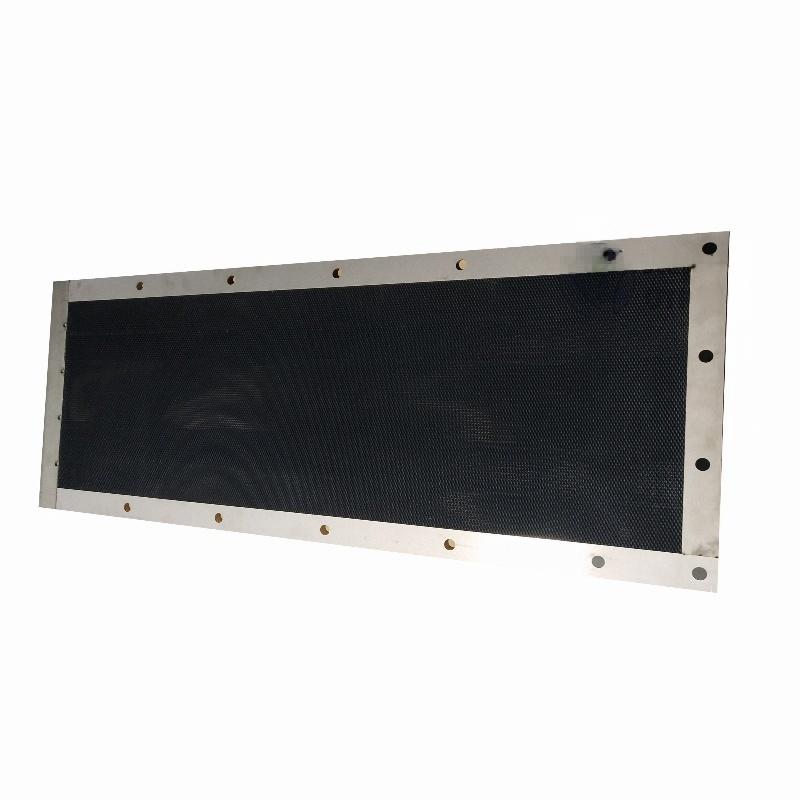
Shape: Solid plate/sheet/mesh ect.;
Life:1000-50000h
Size: can be customized;
Technology: Sand blasting, Acid washing and Brush Coating.
Salt Pool Chlorinator Cell Product Series:
| Model | Length(cm) | Width(cm) | Thickness(cm) | No. of Plates | Current Output | Chlorine Production Rate (g/h) |
| A-RP50 | 25 | 6 | 0. 1 | 7 | 27A | 50 |
| A-RP35 | 20 | 6 | 0. 1 | 7 | 21A | 35 |
| A-RP25 | 13 | 6 | 0. 1 | 7 | 14A | 25 |
| A-RP20 | 11 | 6 | 0. 1 | 7 | 12A | 20 |

Features:
Self cleaning electrolytic cell, (Auto SC) units;
Polarity Reversal electrode, low maintenance;
Prevents algae from growing;
Scale-resistant cathodes;
Large surface area of cell plates for high rate chlorine production;
Individually replaceable anode and cathode unit avoid replacement cost.
Application:
Salt pool chlorination systems;
In ground and above ground pools;
Residential pools;
Ozone Generator;
SPA electrolyzer;
Soudium Hypochlorite Generator.

Parallel Plate Electrolyzer, known as Plate Electrolyzer or PPE Electrolyzer, it is constructed of bipolar electrode stack. This Parallel Plate Electrode (PPE) system is the optimum solution for large capacity seawater cooling systems. Large capacity is provided by cell modules assembled together and coupled with bus bars to a power rectifier, forming a sodium hypochlorite generating train.
Electrolytic chlorination to produce hypochlorite had adopted carbon and platinum as electrode material, but they are proven inefficient, cumbersome and costly. DSA titanium electrode is a simple, reliable and cost efficient solution according to experiment. Below is a test report of over potential and corrosion data for anode materials used in the electrolysis of sodium chloride.