
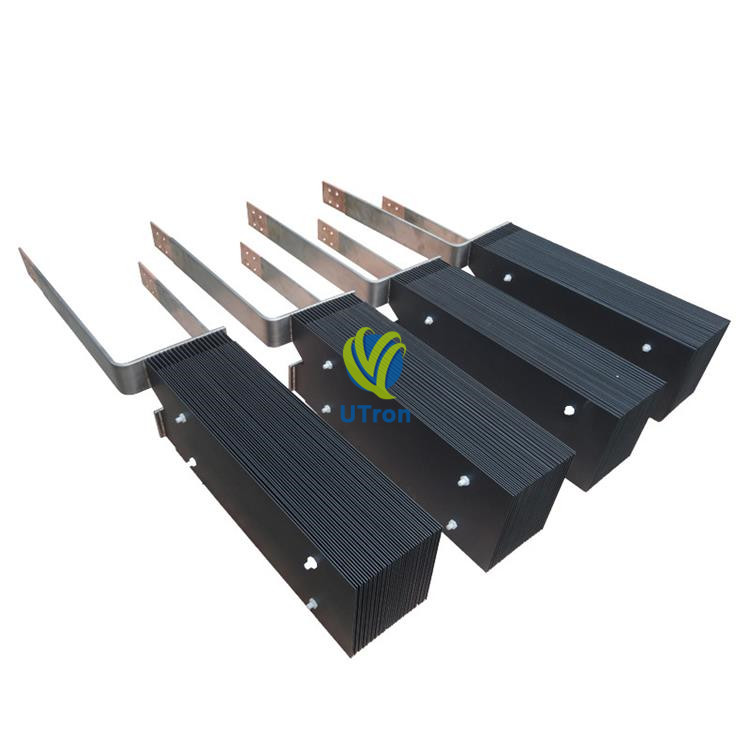
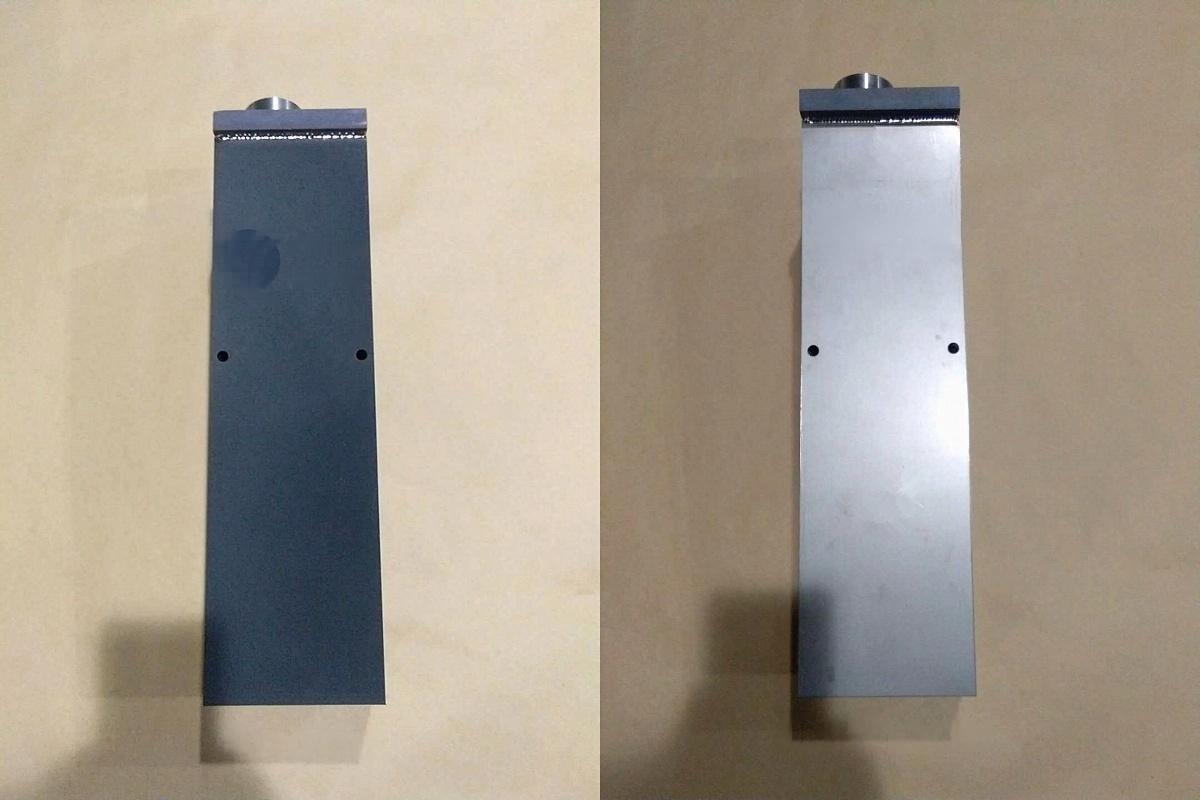
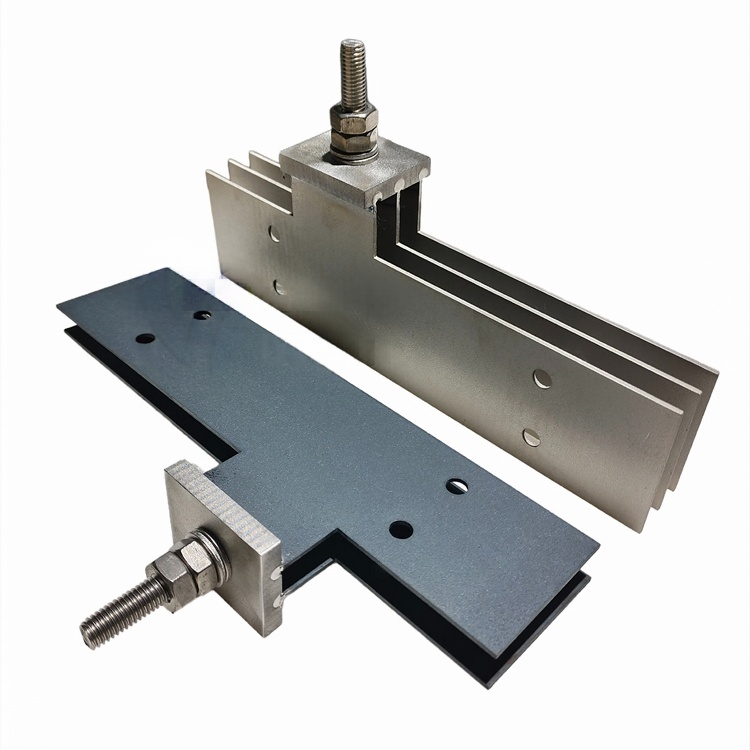

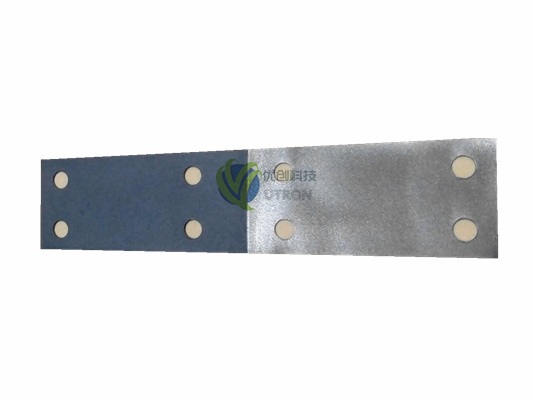
Parallel Plate Electrolyzer, known as Plate Electrolyzer or PPE Electrolyzer, it is constructed of bipolar electrode stack. This Parallel Plate Electrode (PPE) system is the optimum solution for large capacity seawater cooling systems. Large capacity is provided by cell modules assembled together and coupled with bus bars to a power rectifier, forming a sodium hypochlorite generating train.
The electrochlorination cell is constructed from a tubular body housing parallel plates of titanium cathode and anode bipolar surfaces. The cell body is constructed from one spiral wound FRP tube with titanium end flanges to provide a high pressure cell design.
Parameter of the titanium electrodes for Seawater electrochlorination:
Electrode type: Bi-polar electrodes;
Anode: MMO coated titanium anodes;
Cathode: Titanium in Gr 1, meet ASTM265 standard;
Casing: Acrylic, PVC, FRP lined with PVC or customize;
Concentration: 500 ppm to 2500 ppm;
Capacity: 2- 1,000 kg Cl2/hr.

Applications of Parallel Plate Titanium Electrolyzer:
Power plant;
Desalination plant;
Industrial seawater cooling plant.
AUoffers a complete range of Parallel Plate Electrolyzers, which are applied in seawater cooling systems, power plants, and desalination plants, with capacities ranging from 40 to 500 kg/hr equivalent chlorine per generator.
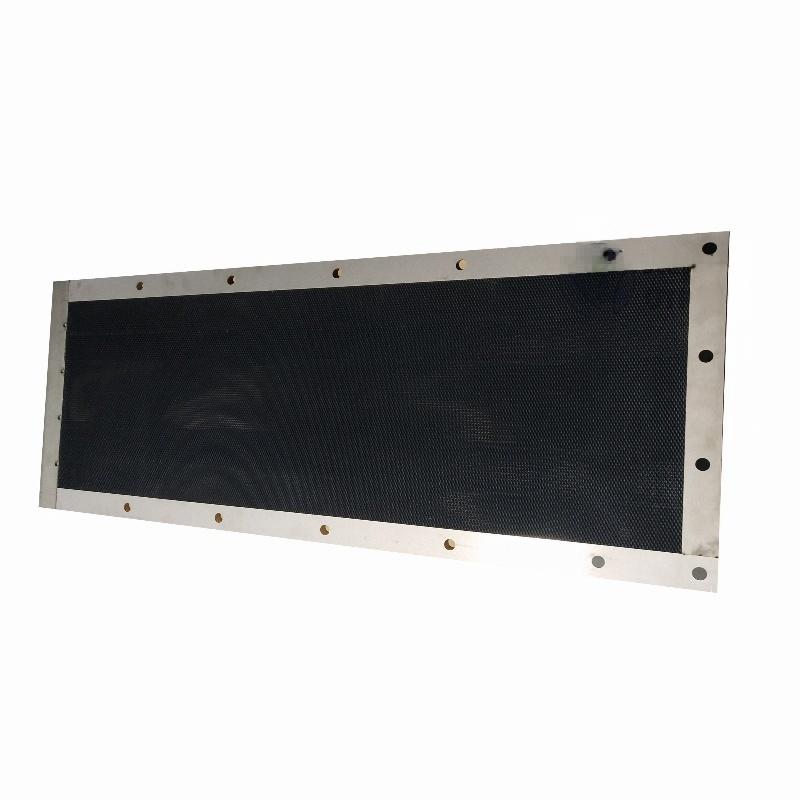
The salt cell in a salt chlorinator is the part that actually converts Salt (NaCl) to Chlorine, which consists of a plastic housing and the electrodes. TheTitanium electrode sheet for salt chlorine generator usually constructed from the highly corrosion resistant material titanium, and the anode is coated with ruthenium oxide or iridium generally. The composition of this coating plays a major role in both the chlorine producing efficiency of the cell and its life expectancy.
Electrolytic chlorination to produce hypochlorite had adopted carbon and platinum as electrode material, but they are proven inefficient, cumbersome and costly. DSA titanium electrode is a simple, reliable and cost efficient solution according to experiment. Below is a test report of over potential and corrosion data for anode materials used in the electrolysis of sodium chloride.
