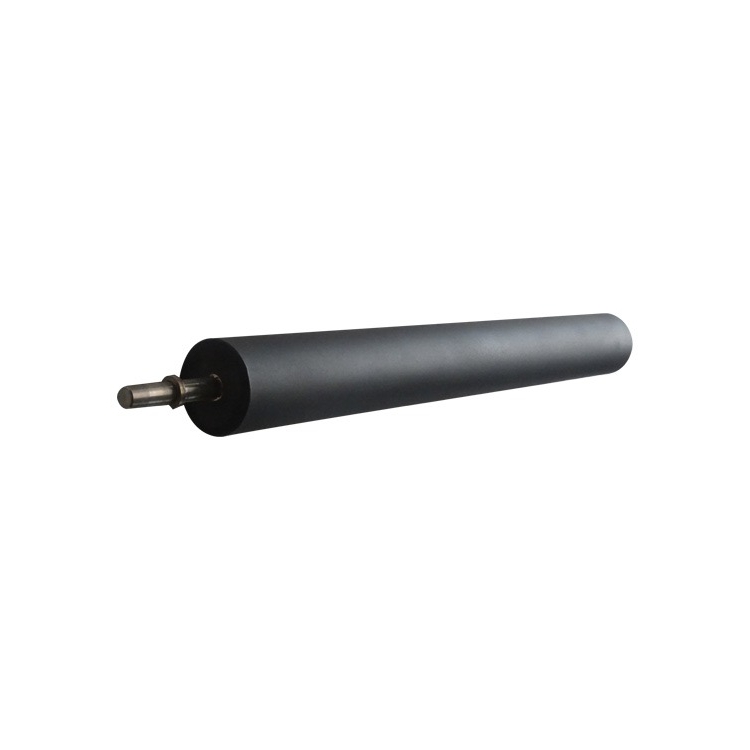
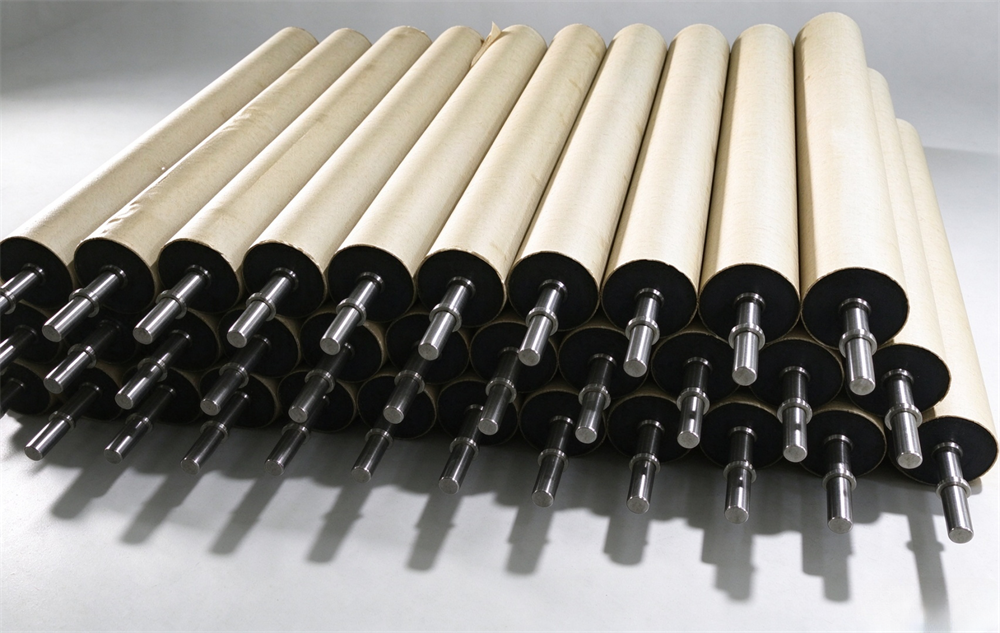
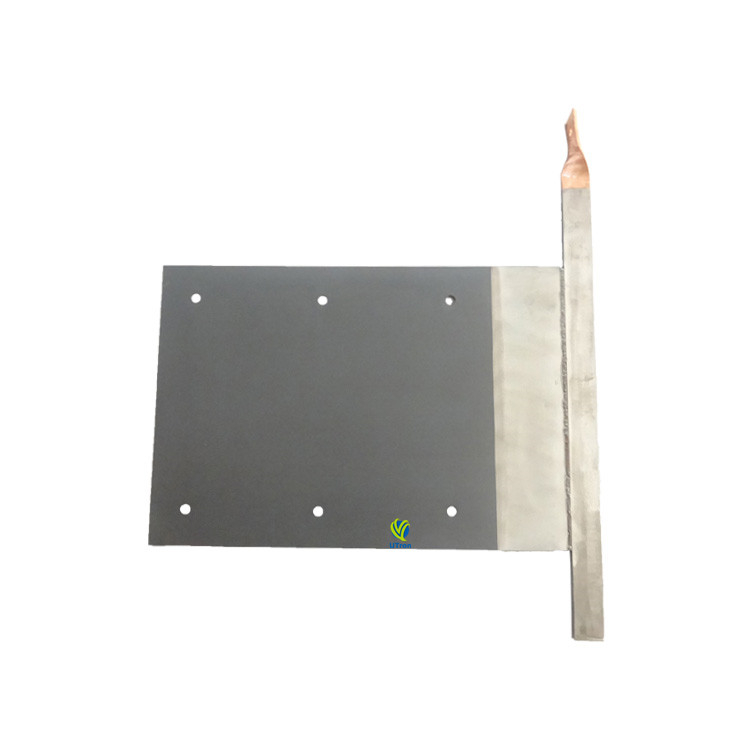
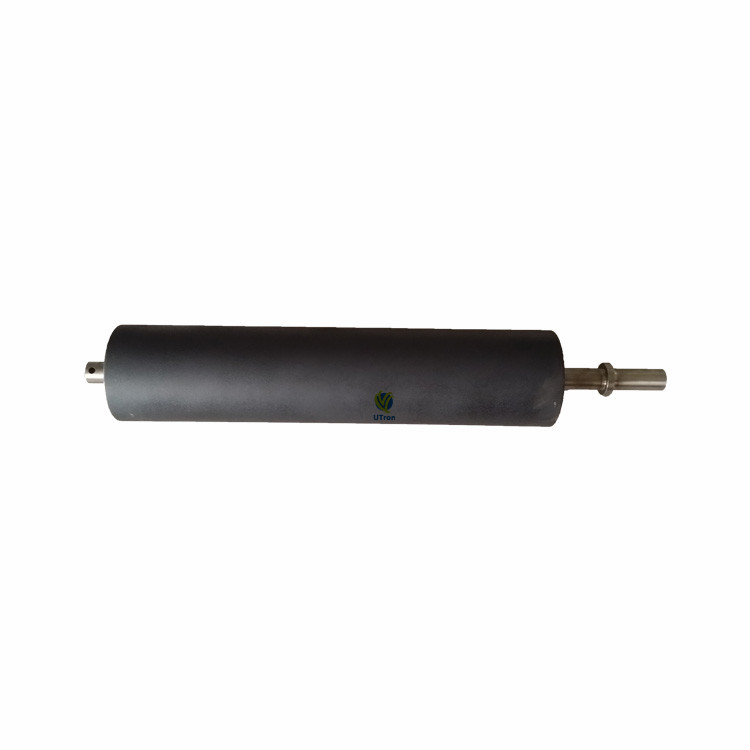
Titanium anode rod for swirl electrowinning of copper

Cylindrical electrowinning cell designs have been shown to significantly enhance mass transfer owing to high flow rates and a unique spiral flow within the cell.It proven to the advantages of increasing production capacity, reduction footprint, enhancing selectivity and recovery from lower concentrations than conventional technology. This technology has been widely employed in copper, zinc, nickel, cobalt electrowinning.

The anode material is a critical factor for copper electro winning cell, Lead alloy anodes (Pb-Ca-Sn alloys) are currently the most common anodes, but it is soluble and easily spall off. DSA titanium anode as an insoluble anode and highly corrosion for acid attack, the cell voltage is much lower than lead anode. It has been successfully implemented on copper electrowinng.

Parameters of Titanium anode rod for swirl electrowinning:
Anode Material: Pure Titanium Gr1;
Shape: Tubular;  
Dimension: φ76×120/φ95×1200/φ110×1200/φ219×1200 mm;
Coating: Nano-layer, Iridium tantalum+ X coating;
Electrolyte solution: sulphate;  
Temperatures:  30℃ -60 ℃;  
Current Density: 100—1000A/M2;
Operating life: 5 Years;
Warranty: 3 Years.

Features:
Lower cell voltage; power savings;
Long anode life, substrate can be recoated;
Lead-free cathode quality;
Clean Operation.

Applications:
Electro winning of copper, cobalt, nickel, chromium, zinc and other metals;
Metal recovery systems;
Electro winning pilot plants.

AUE  has adopted thermal decomposition of a precursor solution painted on a titanium substrate; the coating includes iridium, tantalum and other platinum group precious metals. Titanium substrates are pre-treated for degreasing and etching before painting and then are calcined at a temperature below 400 o C. This DSA coated titanium anode has a low oxygen evolution potential so that the cell voltage of electrowinning can be significantly reduced.

Related Products

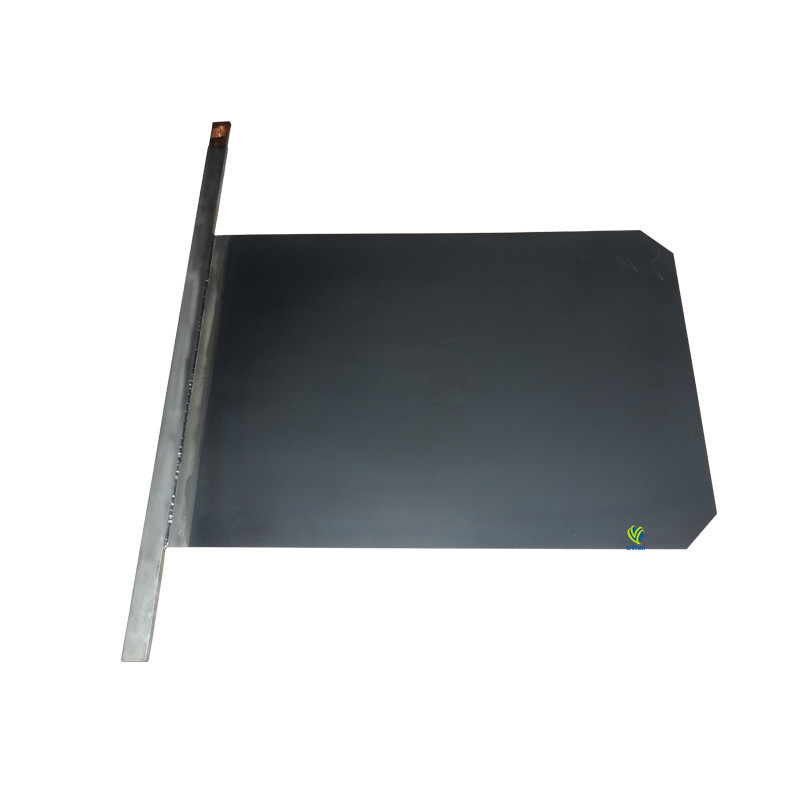
MMO Coated Titanium Anode for Zinc Electrowinng Cell

MMO Coated Titanium Anode for Zinc Electrowinng Cell

Conventional lead silver alloys are predominantly used in the zinc electrowinning, due to their cost efficiency and long-term stability at high current densities and in aggressive environments; however, their drawbacks include high over potential and the possibility of cathode contamination are worth considering. The Oxide Coated Catalytic Anodes are considered to improve cathodic zinc purity and decrease cell voltage during zinc electrowinning. Considering the Ti substrate and its coatings such as IrO2 and Ta2O5 coatings, the composites of OCAs have low over potentials 400–500 mV less than Pb-Ag anode.

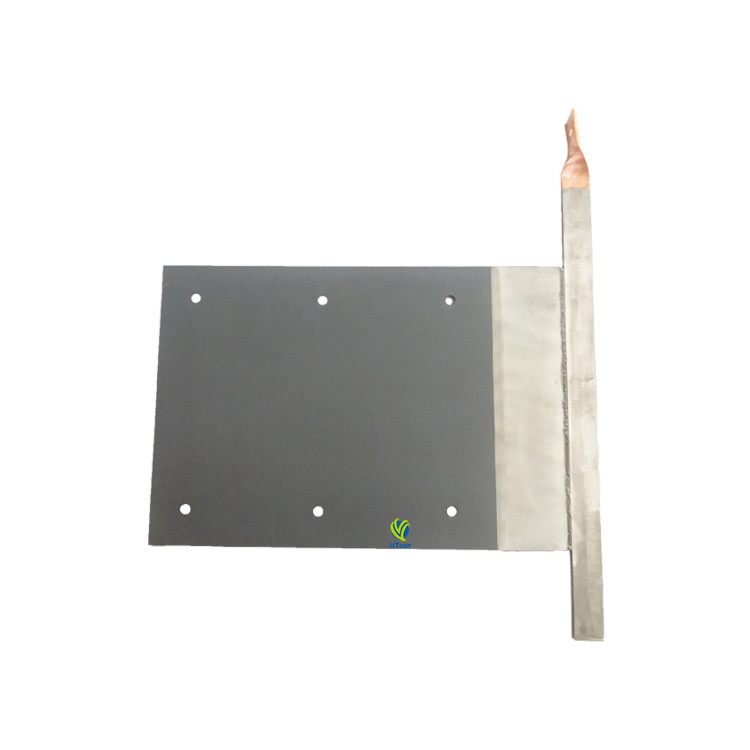
Iridium oxide Coated Titanium Anode for Nickel Electrowinning

Iridium oxide Coated Titanium Anode for Nickel Electrowinning

The electrolytic cell for nickel electrowinninig contains a fairly high amount of chloride and will therefore require an electrode that is resistant to chlorine attack, as chlorine will be evolved at the anode. The complicating factor here is also the production of oxygen at the anode too. Most materials are resistant to either chlorine or oxygen, but not both, or at least not well. For this reason, inert or insoluble catalyst coated anodes applied on an inert substrate. Usually, the best bet is to use a layered inert anode material. The chlorine attack usually occurs on the substrate itself, so it should either have high chlorine over potential, it can be titanium (or tantalum) with a small layer of platinum electroplated to it. Then, the electrode substrate can be coated with an oxygen evolving catalyst, such as iridium dioxide or similar coatings. An excellent lifetime will be obtained in most of application, however care must be exercised not to allow the electrode to be cathodic, or the coating will be quickly lost.

Iridium oxide Coated Titanium Anode for Nickel Electrowinning

Iridium oxide Coated Titanium Anode for Nickel Electrowinning

The electrolytic cell for nickel electrowinninig contains a fairly high amount of chloride and will therefore require an electrode that is resistant to chlorine attack, as chlorine will be evolved at the anode. The complicating factor here is also the production of oxygen at the anode too. Most materials are resistant to either chlorine or oxygen, but not both, or at least not well. For this reason, inert or insoluble catalyst coated anodes applied on an inert substrate. Usually, the best bet is to use a layered inert anode material. The chlorine attack usually occurs on the substrate itself, so it should either have high chlorine over potential, it can be titanium (or tantalum) with a small layer of platinum electroplated to it. Then, the electrode substrate can be coated with an oxygen evolving catalyst, such as iridium dioxide or similar coatings. An excellent lifetime will be obtained in most of application, however care must be exercised not to allow the electrode to be cathodic, or the coating will be quickly lost.

0
Inquire for more cooperation or product information.
We will contact you within 1 working day, please check your email.
Titanium anode rod for swirl electrowinning of copper
Name
Mail
Mobile phone
Message
Send

AUE

Welcome to the official AUE website
Welcome to the official AUE website. Please provide your contact details—including your WhatsApp number and email address—and our engineers will get in touch with you shortly.

Start Chat with: