
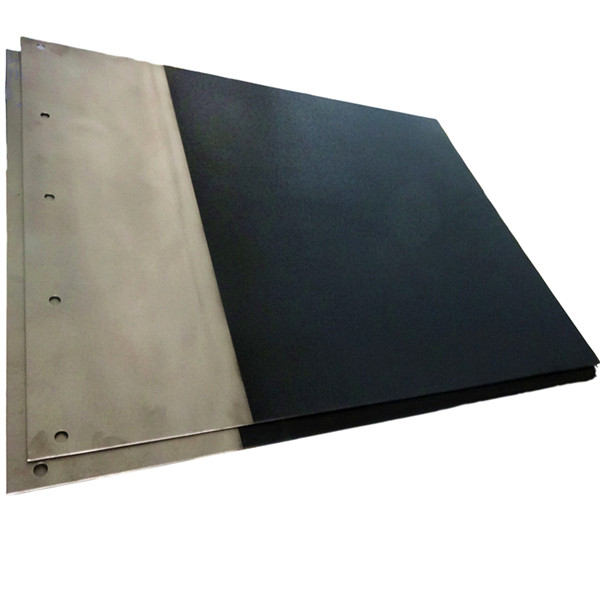
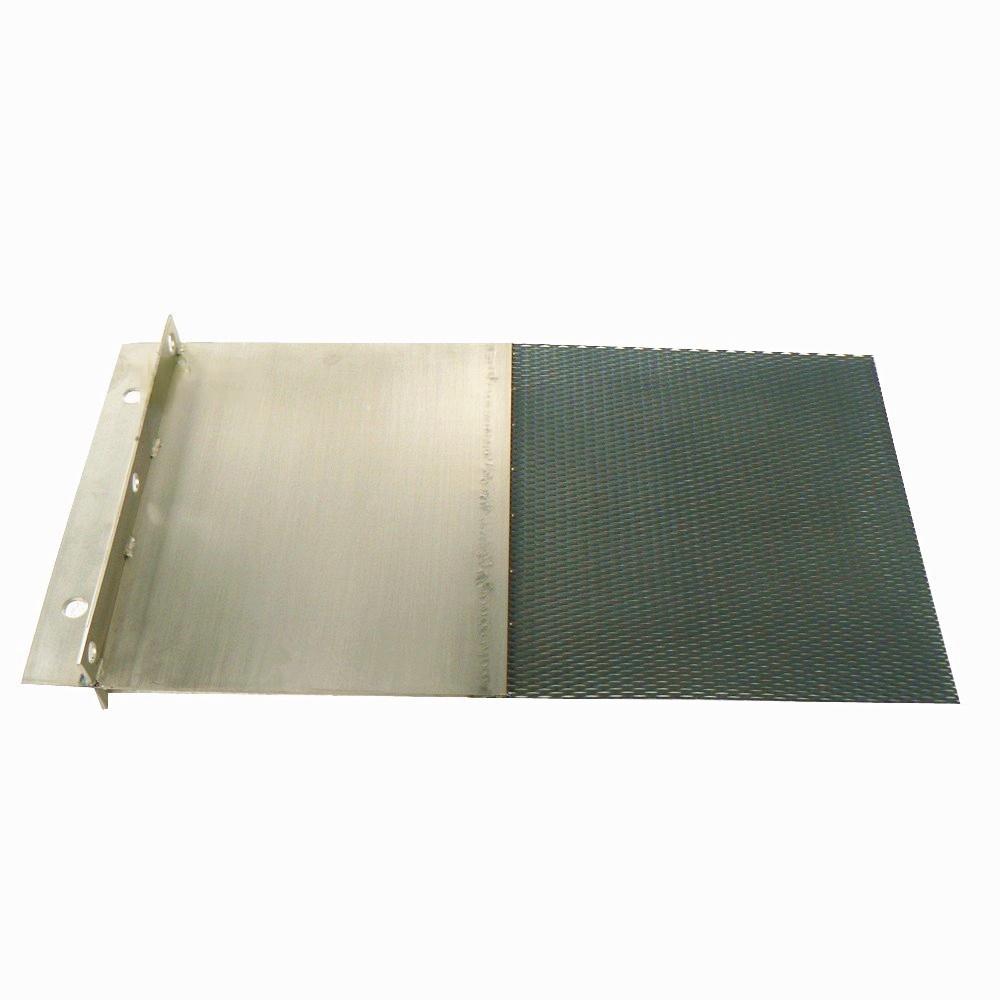
Ruthenium Iridium Titanium Anode for Electrolysis of Brine Anti-fouling

Electrolysis of brine for anti-fouling is one of the most effective methods to suppress marine pests. The brine is electrolyzed by special electrodes to generate chloride ions and hypochlorous acid, which are oxidizers and toxic to marine organisms. When the concentration of chloride ions reaches a certain level, it can kill marine organisms and inhibit the adhesion and growth of marine pests. In recent years, titanium anodes coated with precious metal oxides have been widely used in brine electrolysis for anti-fouling because of their low decomposition tension, high current efficiency, low energy consumption, and high active chlorine concentration.

Parameter:
Anode substare: Titanium in Grade 1 or 2;
Coating: Ruthenium iridium;
Coating thickness: 3-15 micron;
Current density:160 A cm2;
Service Life: 2-5 years.

Feature:
High active chlorine concentration generated;
low energy consumption;
High corrosion resistance;
High stability;
Tailor-made service is available.

Application:
Brine water Electro-Chlorination;
Salt pool chlorinator;
Landfill leachate electrochemical treatment;
Electrochemical ammonia removal;
Electrochemical degradation of organic pollutants.

AUE manufactures
ruthenium iridium titanium anode for electrolysis of brine anti-fouling by thermal decomposition method delivers excellent activity together with considerable stability in chlorine evolution reaction.


0
Inquire for more cooperation or product information.
We will contact you within 1 working day, please check your email.
Ruthenium Iridium Titanium Anode for Electrolysis of Brine Anti-fouling
Name
Mail
Mobile phone
Message

Send

AUE

Welcome to the official AUE website
Welcome to the official AUE website. Please provide your contact details—including your WhatsApp number and email address—and our engineers will get in touch with you shortly.

Start Chat with: