Iridium Tantalum Oxide Titanium anode plate for Copper Electrowinning
In copper electrowinning baths, the basic standards used to select anodes in sulfate-based solutions are electrochemical stability, resistance to chemical corrosion in a strongly acidic environment, low overpotential for oxygen evolution, mechanical stability, and environmental safety. Lead-based electrodes have been used as traditional anodes in copper electrowinning because of their low cost of fabrication. They typically contain Pb, Sb, and Ca and minor amounts of other elements. However, lead-based electrodes have some drawbacks, such as their low corrosion resistance, their poor stability, and the harm they might cause to the environment.

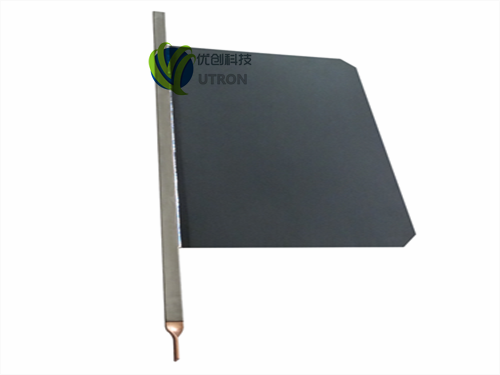
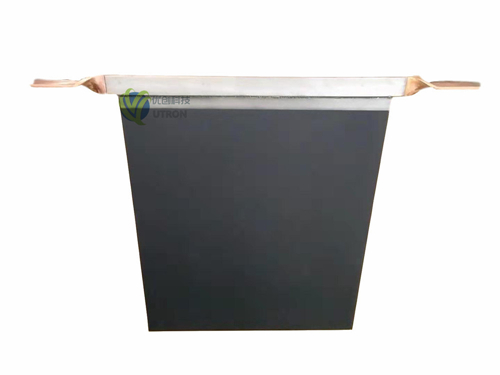
Dimensionally stable anodes (DSAs) exhibit both high corrosion resistance and electrochemical activity in copper electrowinning compared with lead-based electrodes. These anodes commonly consist of mixed metal oxide coatings on titanium substrates. The oxides used to form coatings include tantalum oxide (Ta2O5), iridium oxide (IrO2), ruthenium dioxide (RuO2), and tin oxide (SnO2). Among them, IrO2-Ta2O5 coated titanium electrodes have been reported to be the best for oxygen evolution in acidic solutions because of their high electrocatalytic activity and stability.